Home Push-Pull: Chest & Back in Minutes
Build a stronger chest and back from the comfort of your living room with a simple, effective push-pull bodyweight routine. No heavy equipment, no gym commute—just smart progressions, strict form, and consistent reps to improve posture, upper-body balance, and confidence in your push-up. For a quick video primer on foundational bodyweight moves, check out bodyweight training foundational exercises.
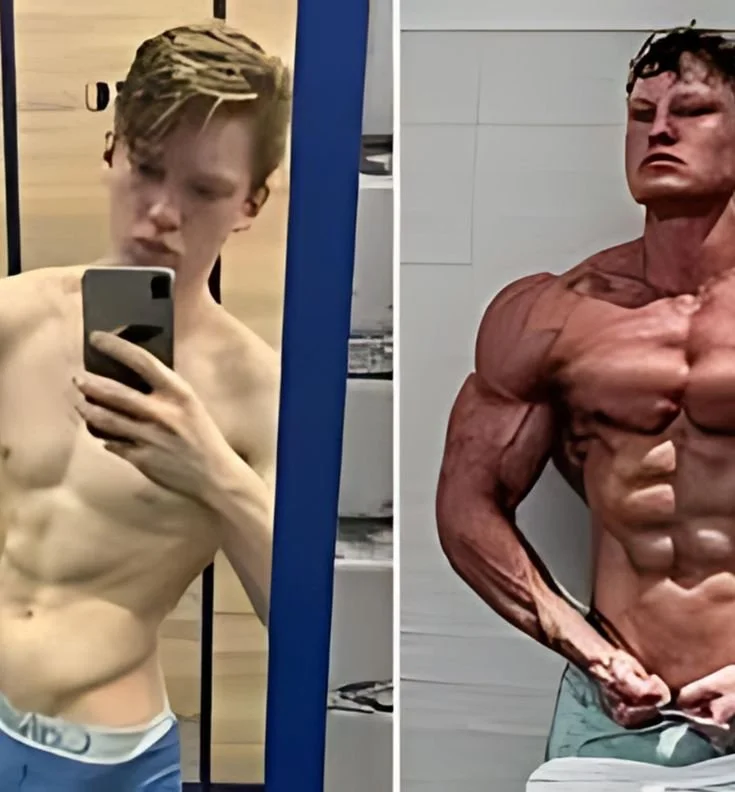
![Build a Stronger Chest & Back AT HOME 🏠 Simple Bodyweight Push-Pull
🔥 Perfect your push-up form and build a rock-… [Video] in 2025 | Better posture, Push up form, Grooming hacks](https://fitness.tavof.com/wp-content/uploads/2026/01/build-a-stronger-chest-back-at-home-simple-bo-2026-01-09-080627.webp "Build a Stronger Chest & Back AT HOME 🏠 Simple Bodyweight Push-Pull 🔥 Perfect your push-up form and build a rock-… [Video] in 2025 | Better posture, Push up form, Grooming hacks 1")
Why push-pull matters
- Push and pull movements train opposing muscle groups (chest/shoulders/triceps vs. back/biceps), which reduces imbalance and improves shoulder health.
- Bodyweight variations let you scale intensity precisely: change leverage, foot placement, tempo, or reps rather than adding plates.
- Consistent practice sharpens posture by strengthening the scapular stabilizers and chest — useful whether you sit at a desk or groom for a night out.
Quick routine (20–30 minutes)
-
Warm-up (5 minutes)
- Arm circles, band pull-aparts or T-spine rotations, and 2 sets of scapular push-ups to prime the shoulders and thoracic spine.
-
Push emphasis (3 sets)
- Standard push-ups: 8–15 reps with perfect form (full range, neutral spine).
- Progression: incline push-ups to regress, decline or weighted push-ups to progress.
- Tip: squeeze shoulder blades together at the top for better chest activation and posture.
-
Pull emphasis (3 sets)
- Inverted rows (under a sturdy table, bar, or rings): 8–15 reps.
- Progression: lower your feet or elevate your shoulders to increase difficulty.
- Focus on pulling the elbows toward the hips, not flaring them wide.
-
Accessory & posture work (2–3 sets)
- Doorway rows or band face pulls: 12–20 reps to target rear delts and scapular retractors.
- Plank or hollow holds: 30–60 seconds for core and shoulder stability.
-
Cool-down / mobility
- Pec stretches, doorway thoracic extensions, and shoulder mobility drills for recovery and improved range.
Form cues that change everything
- For push-ups: keep a straight line from head to heels, tuck the chin slightly, and drive through the palms while maintaining scapular control (don’t let the chest collapse).
- For rows: lead with the chest, squeeze between the shoulder blades, and avoid neck strain by keeping the head neutral.
- Breathe: exhale on the effort (push or pull) and inhale on the return.
Progression plan (8 weeks)
- Weeks 1–2: Focus on form, moderate reps, and tempo (3–0–1: 3s lowering, no pause, 1s push).
- Weeks 3–6: Increase volume or add harder variations (decline push-ups, lower-angle rows).
- Weeks 7–8: Introduce higher intensity sets (slow negatives, paused reps) and test max reps for progress tracking.
Small grooming and posture habits that help
- Stand tall for 30 seconds between sets to reinforce posture.
- Daily posture checks and a brief morning mobility routine reduce shoulder tightness and support your training gains.
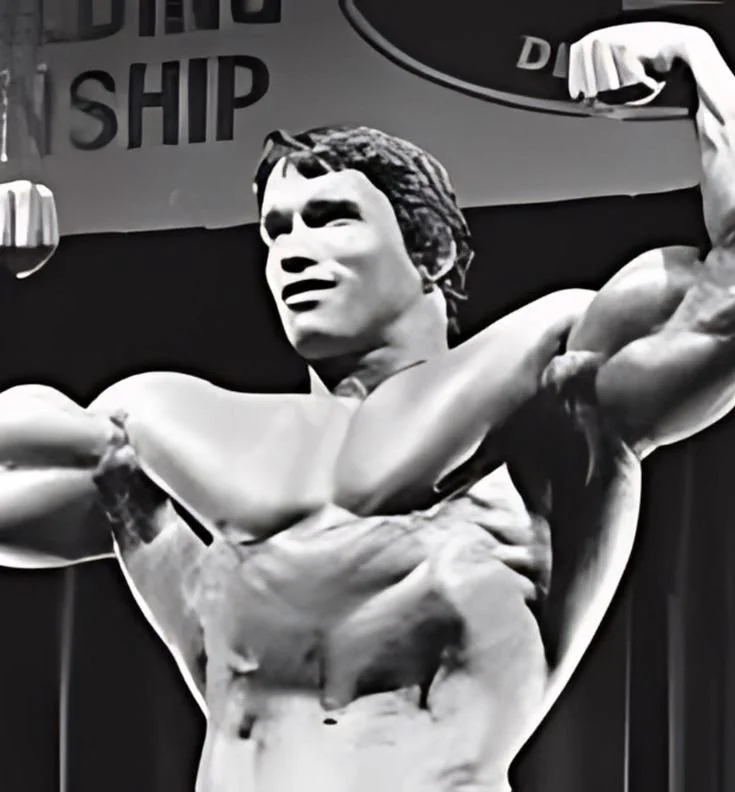
- For additional motivation and legacy training wisdom, read through the practical lessons shared in lessons from a bodybuilding pioneer.
![Build a Stronger Chest & Back AT HOME 🏠 Simple Bodyweight Push-Pull
🔥 Perfect your push-up form and build a rock-… [Video] in 2025 | Better posture, Push up form, Grooming hacks](https://fitness.tavof.com/wp-content/uploads/2026/01/build-a-stronger-chest-back-at-home-simple-bo-2026-01-09-080628-2.webp "Build a Stronger Chest & Back AT HOME 🏠 Simple Bodyweight Push-Pull 🔥 Perfect your push-up form and build a rock-… [Video] in 2025 | Better posture, Push up form, Grooming hacks 2")
Conclusion
If you want to expand or swap exercises when equipment is limited, this guide complements creative alternatives — explore an outside reference on effective substitutions like bands and household items in Effective Gym Swaps for Limited Equipment: PART 2.


Leave a Reply