Personalized Fitness: Your Ultimate Guide to Crafting a Workout Plan
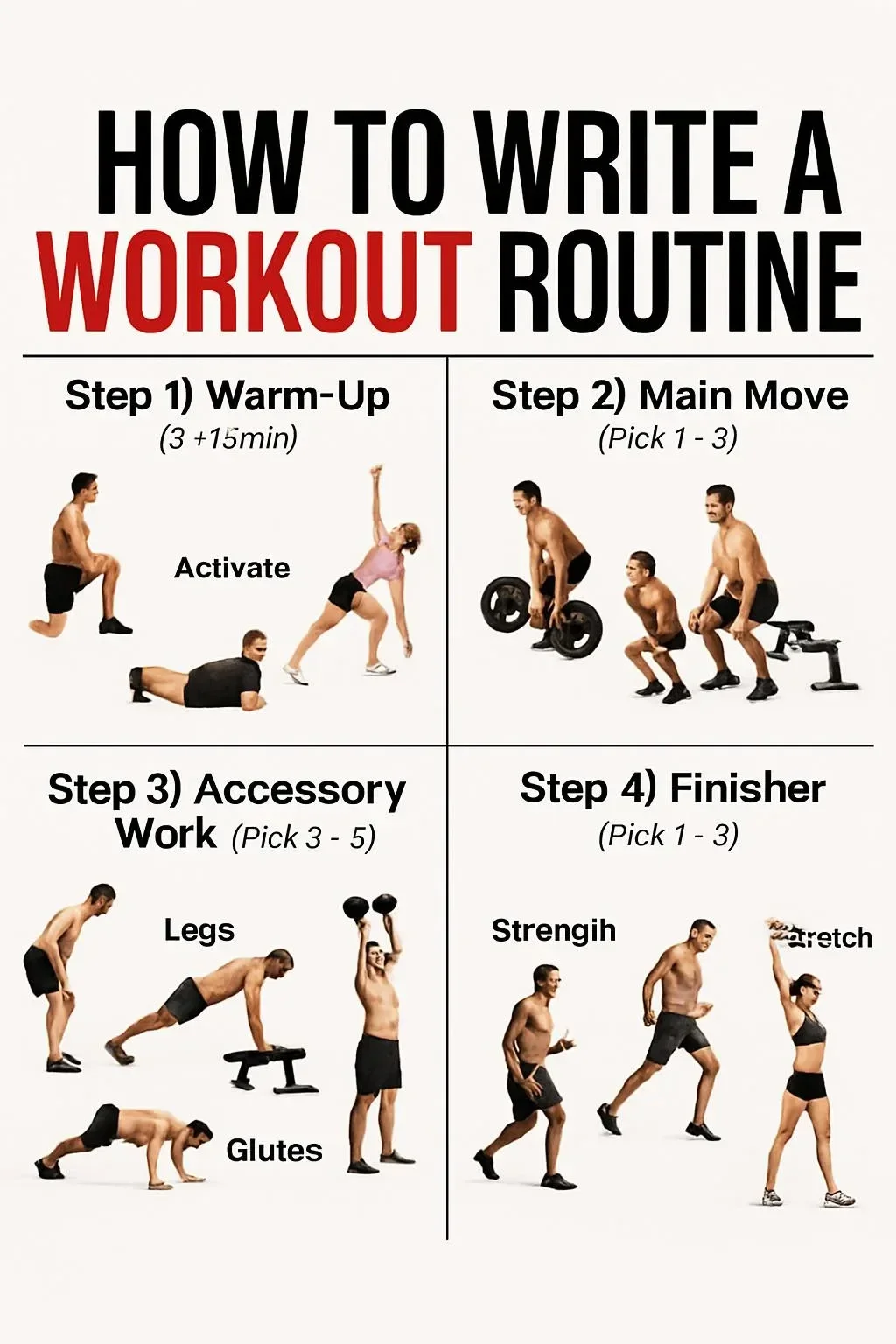
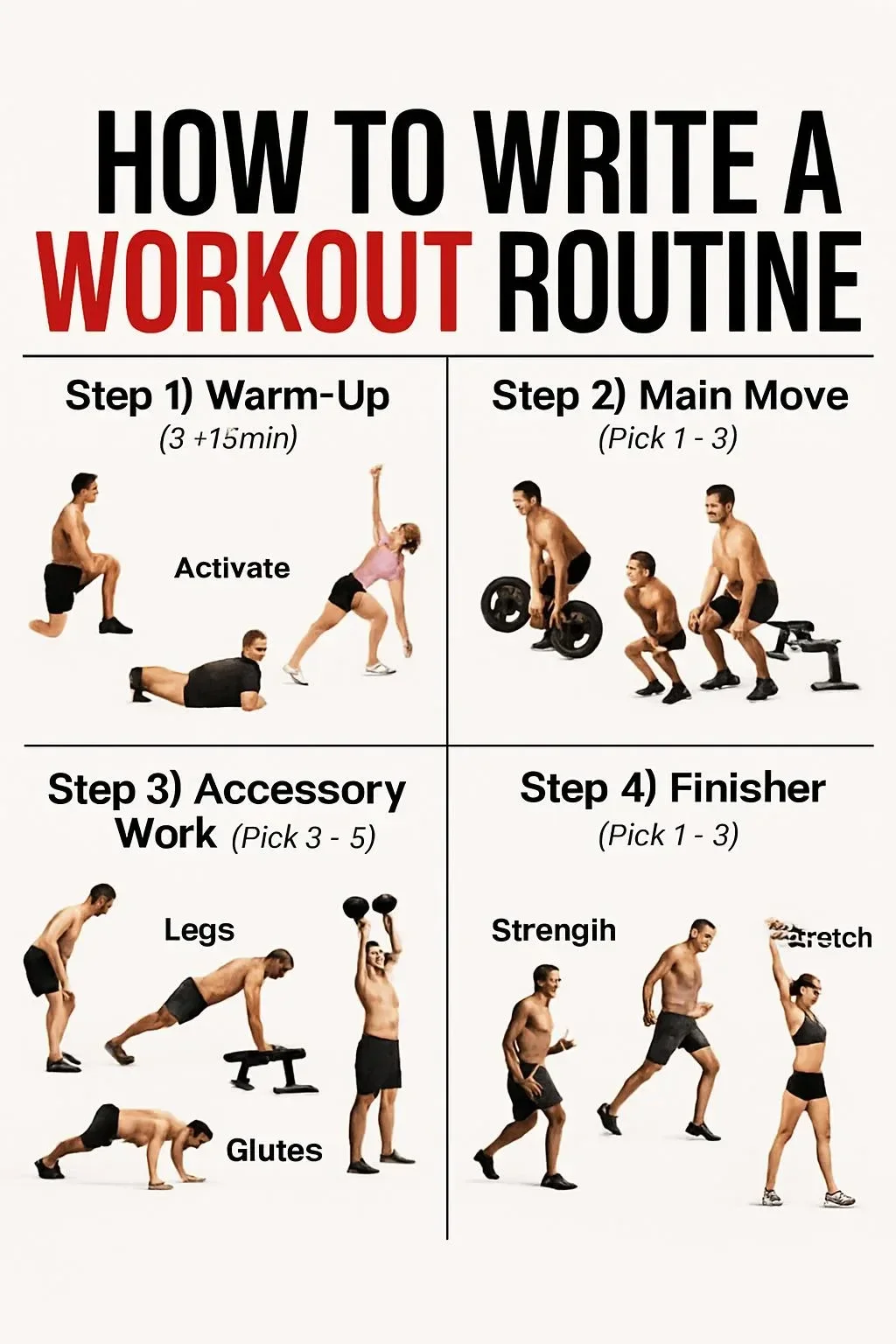
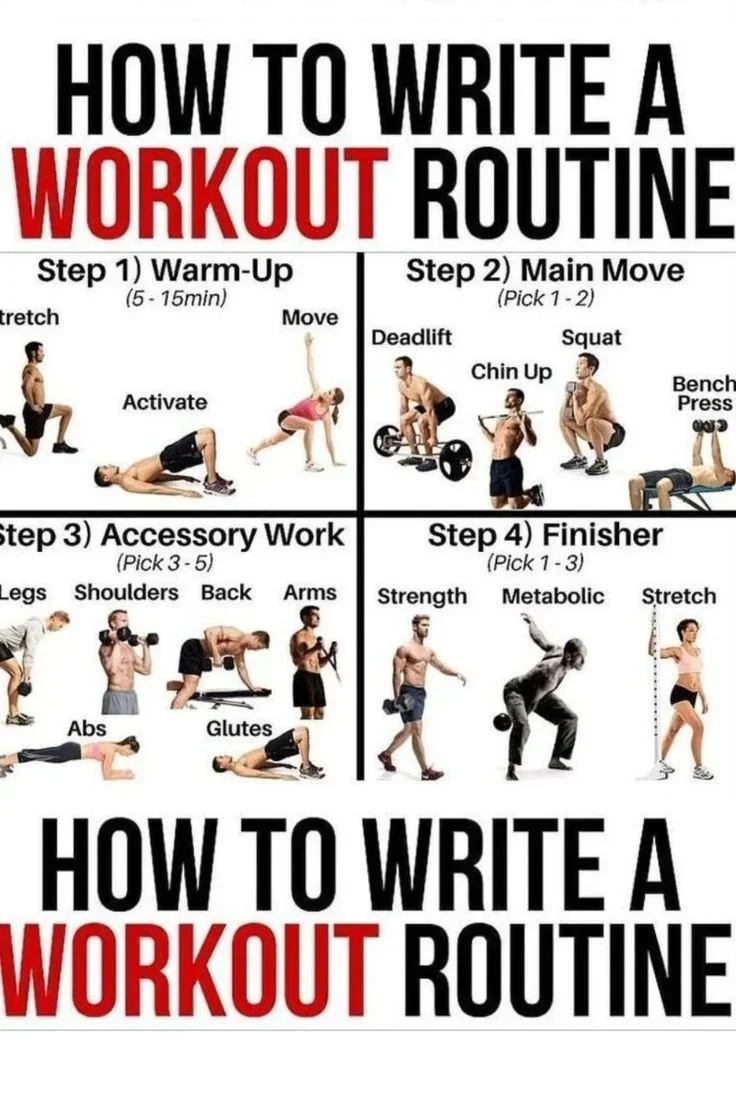
Creating a personalized workout plan can significantly enhance your training effectiveness, ensuring you meet your fitness goals. A well-structured plan takes into account your current fitness level, the exercises you enjoy, your available time, and your objectives—be it weight loss, muscle gain, or increased endurance. Here, we present a step-by-step guide to writing an effective workout plan that will set you on the path to success.
Step 1: Define Your Goals
Before diving into specifics, it’s crucial to determine your fitness objectives. Are you aiming to lose weight, build muscle, or improve cardiovascular health? Setting clear, measurable goals will guide your workout plan and keep you motivated. For inspiration, explore how others have achieved similar goals by reading about their approaches on various platforms, such as fitness motivation stories.
Step 2: Assess Your Current Fitness Level
Understanding your current fitness state is vital for creating a realistic plan. This can involve simple assessments such as measuring your endurance with a timed run or checking your strength with basic weightlifting benchmarks. Consider logging these metrics to track your progress over time.
Step 3: Determine Your Schedule
When crafting a workout plan, availability is a key factor. Analyze your weekly schedule and decide how many days you can dedicate to exercise. Consistency is essential, so ensure your plan fits seamlessly into your lifestyle. If you’re looking for tips on maintaining a balanced routine, check out our comprehensive resource on fitness planning.
Step 4: Choose Your Workout Types
Now that you know your goals and schedule, it’s time to select the workouts that will make up your plan. Different types of workouts serve various purposes. Incorporating a mix of strength training, cardio, and flexibility exercises can provide a balanced approach. For those getting started with resistance training, our article on strength training basics can offer valuable insights.
Step 5: Outline Your Weekly Plan
Map out a weekly schedule that integrates your chosen workouts. Ensure you allow for rest days to help your body recover. A simple template might include alternating days of cardio and strength training, followed by stretching or yoga sessions to improve flexibility. To help you stay organized, consider using a workout planner or an app that keeps track of your progress.
Step 6: Monitor Your Progress
Tracking your progress is essential for any workout plan. Keep a fitness journal, or utilize apps to log your workouts and assess your improvements over time. Celebrate small victories along the way to stay motivated.
Step 7: Adjust and Evolve
As you progress, your needs and abilities may evolve, necessitating adjustments to your workout plan. Regularly evaluate your progress against your goals and make changes where needed to keep your workouts challenging and engaging.
Conclusion
Writing an effective workout plan involves careful planning and self-assessment. By following these steps, you can create a personalized workout regimen that fosters growth and achievement. If you’re also interested in aligning your nutrition with your fitness goals, discover how to create a tailored nutrition plan by visiting this helpful guide. Staying consistent and motivated will ultimately lead you to success on your fitness journey.